Arizona Injury Guide
What to Do After an Arizona Car Accident
Step-by-step Arizona car accident checklist covering medical care, police reports, photos, insurance communication, and claim documentation.

Quick Answer
What should you do after an Arizona car accident?
After an Arizona car accident, prioritize safety and medical care, report the crash when appropriate, document the scene, exchange information, preserve insurance communication, and avoid signing releases before the injuries and coverage are understood. This is especially important when a crash involves I-10, Loop 101, US 60, SR 51, or another busy Phoenix metro corridor.
- Call for help and get medical care when needed.
- Save photos, crash report information, witness names, repair estimates, and insurance letters.
- Avoid guessing about fault, injuries, or settlement value in recorded statements.
First steps at the scene
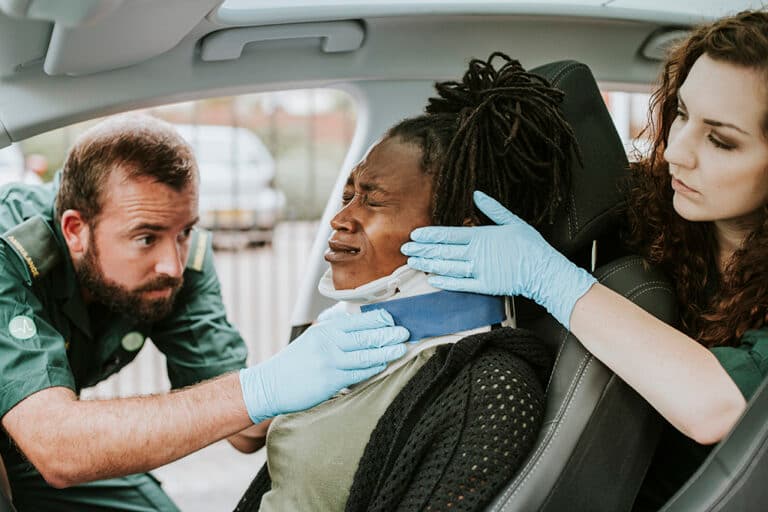
Move to safety if possible, call 911 when anyone is hurt or traffic is blocked, and cooperate with responding officers. If it is safe, photograph vehicles, plates, skid marks, traffic signals, injuries, and the surrounding roadway.
Medical and insurance steps
Get medical care even if symptoms seem delayed. Keep discharge instructions, imaging, prescriptions, therapy notes, and referrals. Report the claim to insurers, but be careful with recorded statements or broad medical authorizations before understanding the request.
Arizona evidence checklist
Save the police report number, witness names, dashcam video, rideshare or delivery app screenshots, repair estimates, wage-loss records, and every letter or email from insurers.
At-a-glance checklist
- At the scene
Call for help, photograph evidence, collect driver and witness information.
- Within days
Seek follow-up care, report the claim, save records, and start a symptom log.
- Before settlement
Confirm medical status, bills, wage loss, coverage, and release language.
Related Arizona injury resources
- GuideArizona Personal Injury Statute of Limitations
- GuideHow Much Is an Arizona Personal Injury Case Worth?
- GuideArizona Personal Injury Settlement Timeline
- GuideWho Pays Medical Bills After an Arizona Accident?
- GuideWhat to Say to an Insurance Adjuster After an Arizona Accident
- Practice areaArizona car accident claims
- Practice areaArizona personal injury claims
- LocalScottsdale personal injury lawyer
- LocalTempe personal injury lawyer
- LocalPhoenix personal injury lawyer
Common questions
Should I see a doctor after a crash?
Yes if you have symptoms or any concern about injury. Medical records help document what changed after the crash.
Should I give a recorded statement?
Recorded statements can affect a claim. Understand who is asking and why before agreeing.
What if the other driver blames me?
Arizona comparative fault may reduce recovery, but it does not automatically eliminate every claim.
Attorney information


This guide is published by Lazzara Law Firm for Arizona injury victims and is connected to the firm’s personal injury resources. For case-specific guidance, speak with an attorney about the facts, deadlines, and available insurance involved.
Lawrence M. Lazzara Jr., Esq. and Kevin J. Tucker, Esq. represent injured people in Arizona personal injury matters.
This page provides general information and does not create an attorney-client relationship. Deadlines and options depend on the facts of a specific Arizona injury claim.
Related local resource: People hurt in a Scottsdale crash can also review our Scottsdale car accident lawyer page for local evidence, insurance, and case-evaluation information.
Claim preparation notes
Use this page as an organized starting point for an Arizona injury claim. The strongest claims usually connect four categories of proof: what happened, who was responsible, how the injury was diagnosed and treated, and how the injury changed work, bills, mobility, family responsibilities, or daily life.
Before speaking in detail with an insurer or signing a release, gather the records that show the full timeline. That can include photos, incident reports, medical records, referrals, prescriptions, therapy notes, wage records, repair estimates, insurance letters, and notes about symptoms that changed over time.
For local claims in Scottsdale, Tempe, Phoenix, or nearby Arizona communities, also write down the exact location, nearby intersections or businesses, police or incident report numbers, witness names, and where medical treatment occurred. These details help connect the claim to the responsible party and available insurance.
- Save documents before portals, apps, or cameras overwrite them.
- Track symptoms and missed work while the details are fresh.
- Confirm deadlines before delaying action or relying on a general rule.
- Ask for case-specific legal guidance when fault, insurance, or injuries are disputed.
For A-level claim preparation, keep a single folder with the incident timeline, photos, medical visits, insurance letters, and expenses. Update it after every appointment or adjuster communication. Organized records make it easier to identify missing evidence, explain the injury progression, and compare any settlement offer against the actual medical, financial, and daily-life impact.
Arizona crash data and reporting sources
These sources support the crash-documentation guidance and provide official Arizona and federal crash-statistics context.
- ADOT Arizona Motor Vehicle Crash Facts: Annual Arizona crash statistics covering collisions, injuries, fatalities, alcohol-related crashes, and crash types.
- NHTSA traffic safety data: Federal traffic-safety statistics and research used for national crash context.
- A.R.S. § 28-667: Arizona statute related to written accident reports and crash-report records.



Talk through your case at no cost
Free consultation. No fees unless we win.